Ceıvır: Traditional Turkish Lamb & Beef Dish Recipe
Turkish cuisine is a vibrant tapestry of flavors, textures, and aromas. Each dish tells a story rooted in rich history and cultural significance. Among the many culinary gems that grace this diverse landscape, one stands out for its heartiness and depth: ceıvır. Imagine standing in a bustling Turkish kitchen, the air thick with the scent of slow-cooked meat and aromatic spices, knowing that what’s bubbling in that pot has brought families together for centuries. This traditional Turkish dish features tender chunks of lamb and beef slow-cooked to perfection, creating an unforgettable savory experience that speaks directly to the soul.
The History of Ceıvır and Its Cultural Significance
Travel back through time, and you’ll find ceıvır has deep roots in Turkish culture, tracing back to ancient times. It reflects the nomadic lifestyle of the Anatolian people, who relied on hearty dishes to sustain them during long travels across rugged terrain. Picture shepherds gathered around open fires, sharing stories while their meal simmered slowly under the stars.
Traditionally prepared for special occasions and gatherings, this dish symbolizes hospitality and community in ways few foods can. Families would gather around a large pot, sharing stories while savoring its flavorful richness—a ritual that continues today.
The slow-cooking method used enhances both tenderness and flavor. This technique showcases how generations have perfected their culinary skills over time, passing down secrets from grandmother to grandchild. As Turkey evolved through various empires, each influenced its cuisine. Ceıvır stands out as a testament to the rich heritage that blends diverse flavors from different regions—a delicious melting pot of history itself.
Today, it remains an integral part of celebrations and family meals across Turkey. Its savory essence continues to draw people together around the table for memorable experiences that transcend simple dining.
Ingredients and Recipe for Making Traditional Ceıvır
To create a mouthwatering dish, start with high-quality ingredients—this makes all the difference. You’ll need tender cuts of lamb and beef for that rich, deep flavor. Aim for about two pounds in total, choosing cuts like lamb shoulder and beef chuck that reward slow cooking.
Next, gather your aromatics: onions, garlic, and fresh herbs like thyme or rosemary. These add layers of depth that make each bite unforgettable. Don’t forget the spices! Paprika, cumin, and black pepper will elevate your savory blend wonderfully, creating that authentic Turkish taste.
For cooking liquid, use a mix of beef broth and tomato paste to bring everything together harmoniously—the secret to that silky, flavorful sauce.
Preparation steps:
Once you have all your ingredients ready, cut the meat into bite-sized chunks. Sauté them until browned in olive oil before adding the onions and garlic. After they soften up nicely, introduce your spices and liquids. Let it simmer gently on low heat until the meat becomes irresistibly tender. This slow-cooking process is key to achieving that signature taste you’ll love—usually taking several hours, but worth every minute of patient waiting.
Tips for Cooking the Perfect Ceıvır at Home
Here’s where home cooks often stumble, but you won’t. To cook perfectly, start with high-quality cuts of meat. Choose a mix of tender lamb and beef for the best flavor—don’t skimp on quality here.
Marinate your meat in spices like cumin, paprika, and black pepper to enhance its richness. Allow it to sit for at least an hour or overnight for deeper flavors that penetrate every fiber.
Essential cooking techniques:
- Use a heavy pot or Dutch oven to retain heat evenly as you simmer the dish slowly over low heat
- Add vegetables like onions, garlic, and bell peppers to elevate taste—sauté them first to release their natural sweetness
- Be patient with slow-cooking; let everything braise gently until fork-tender and infused with savory goodness
- Adjust seasoning towards the end; a touch of salt can really bring out those delicious flavors
One home cook shared that her biggest breakthrough came when she stopped rushing the process. “I used to try finishing in two hours,” she laughed. “Now I give it four, and the difference is like night and day.”
Alternative Variations of Ceıvır
This is a versatile dish that welcomes creativity in the kitchen. While traditional recipes focus on lamb and beef, you can experiment with various proteins to suit your taste and dietary preferences.
Chicken brings a lighter option to the table. Marinate tender chicken pieces in spices similar to those used for red meat, and simmer them until juicy and flavorful—perfect for those watching their red meat intake.
Vegetarians can enjoy a plant-based version by substituting meat with hearty vegetables like eggplant, mushrooms, and bell peppers. Adding chickpeas or lentils enhances protein content while retaining richness and that satisfying, stick-to-your-ribs quality.
For an international twist, try adding spices typical of other cuisines. A touch of extra cumin or coriander can elevate the flavor profile further while maintaining the essence of this beloved Turkish dish. Feel free to get creative with additional ingredients like nuts or dried fruits, which introduce unique textures and flavors into your experience—apricots work surprisingly well.
Pairing Suggestions and Serving Ideas
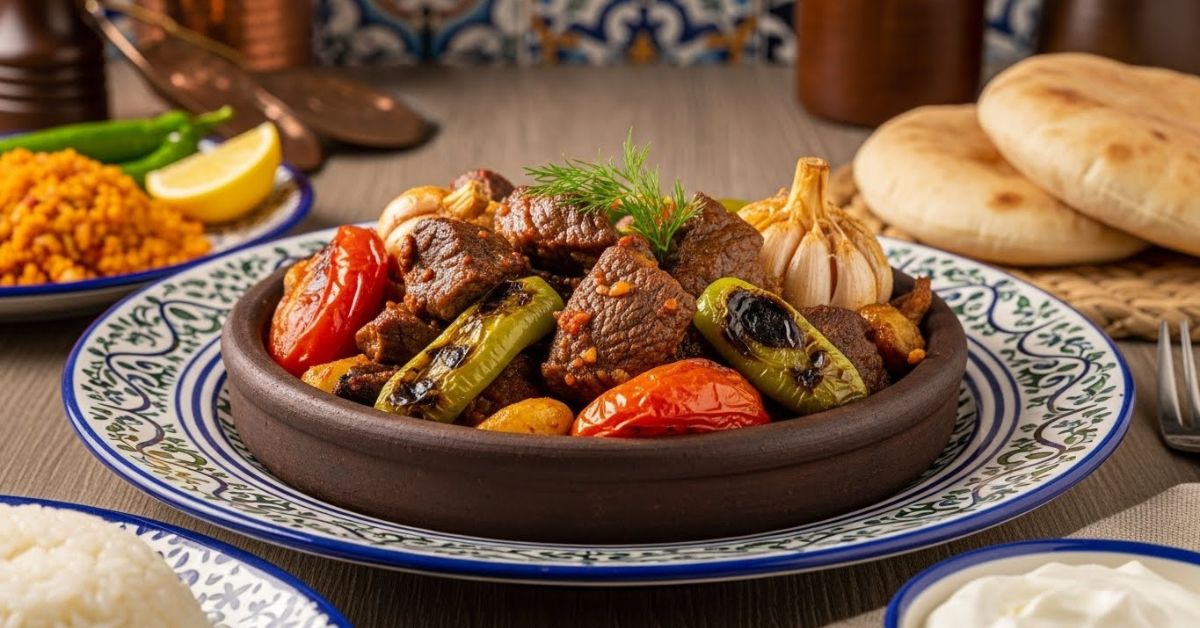
When serving, consider pairing it with fluffy rice or warm, crusty bread. These options allow you to savor every drop of the rich sauce—and trust me, you won’t want to waste a single bit.
A side of roasted vegetables adds a delightful crunch and complements the dish’s savory flavors beautifully. You might also want to include a refreshing salad with cucumber, tomatoes, and a sprinkle of feta cheese for an extra burst of freshness that cuts through the richness.
Beverage pairings:
For drinks, opt for traditional ayran—a yogurt-based drink—or a glass of Turkish red wine to enhance your dining experience. Both choices balance the hearty meatiness perfectly, cleansing your palate between bites.
Don’t forget garnishing with fresh herbs like parsley or mint just before serving. This simple touch elevates both presentation and taste dramatically. Enjoying in good company makes it even more special; gather friends and family around the table for an unforgettable meal that embodies warmth and hospitality.
Conclusion: Why You Should Try Making Ceıvır Today!
Making this dish is more than just preparing a meal. It’s an experience steeped in tradition and rich flavors that transport you straight to the heart of Turkey. The tender lamb and beef simmering together bring warmth to any table, with each bite revealing layers of savory goodness that invite friends and family to gather around.
Trying your hand at this allows you to connect with a vibrant culinary culture. The aroma wafting through your kitchen will entice everyone, making it hard for them to resist joining in. Whether it’s for a special occasion or just a cozy night in, this dish stands as a testament to the beauty of home-cooked meals. You’ll not only enjoy its delightful taste but also feel accomplished sharing something so authentic. So why wait? Dive into this delicious adventure today!
- Discover Food And Drinks
FAQs
What type of meat is best for making ceıvır?
For authentic ceıvır, a combination of lamb and beef is recommended. Choose cuts like lamb shoulder and beef chuck that are known for slow cooking to achieve perfect tenderness.
Can I prepare this dish in advance?
Yes! It tastes even better the next day as the flavors meld together beautifully. Just store any leftovers in an airtight container in the refrigerator for up to three days.
Is there a vegetarian version available?
While traditional versions feature meat, you can substitute with hearty vegetables like eggplant or mushrooms along with legumes to create a delicious vegetarian variant.
What sides pair well with this Turkish dish?
Serve with fluffy rice, bulgur pilaf, or warm pita bread for an authentic experience that soaks up the flavorful sauce.
How do I know when my dish is done cooking?
The meat should be fork-tender and easily fall apart when cooked properly—this usually takes several hours on low heat, so patience is key.