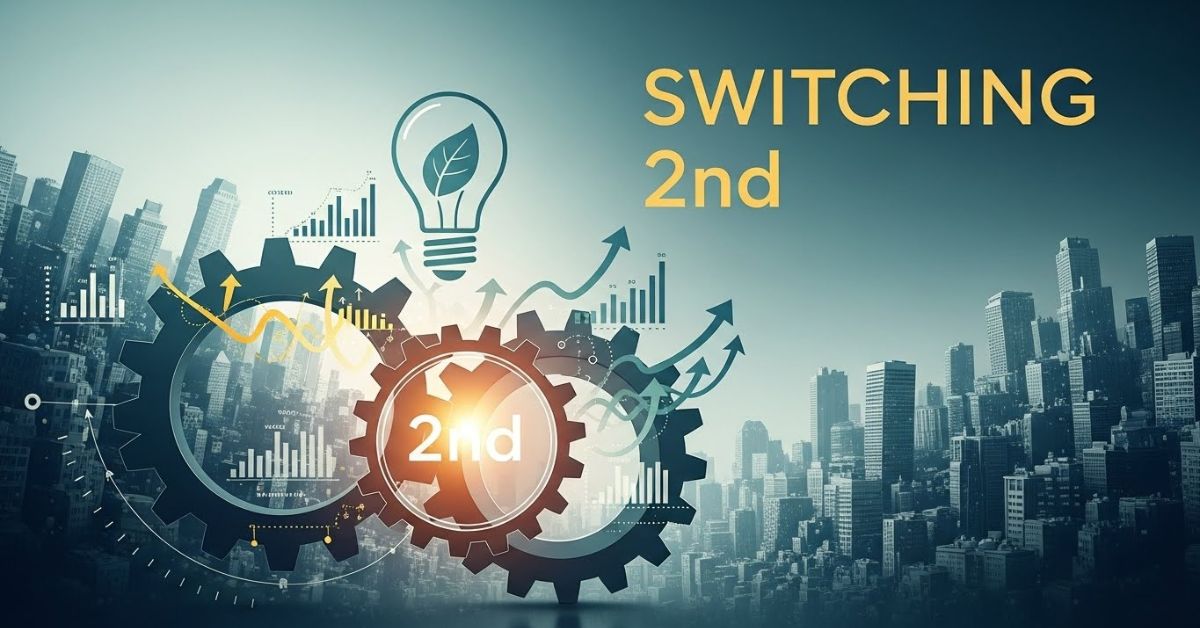
What Is Switching 2nd ? Clear Guide 2026
Is your present situation making you feel like you’re stuck? We all need a change every now and again, whether it’s in our relationships, our jobs, or our lifestyles. The novel idea of “switching 2nd” encourages you to reevaluate and rearrange your priorities. Learn the ins and outs of switching second and how it might affect your life in this comprehensive guide. Awaiting the start of this life-altering adventure? How about we begin?
Defining
As a concept, “Switching 2nd” urges people to reevaluate their present directions. When things are no longer beneficial to you, it’s about making a conscious decision to change them.
This word can mean many things in different contexts, such changing jobs or starting a new way of life. Basically, it means to pause and think about your future.
Changing gears second-time around stems from the premise that adaptation is key to progress. Life is dynamic; our surroundings and the choices we make should also change as we do.
You can open doors to new experiences and opportunities by adopting this strategy. Finding what genuinely speaks to your values and ambitions is more important than changing just because you can.
How Does Switching 2nd Work?
Switching 2nd entails moving to a different plan or service level, usually within the same provider. Common examples of this are utilities, insurance, and telephones.
How to move to second gear is different for every industry. For telecommunications companies, this could imply, for example, keeping your current phone number while upgrading your data package. This may entail adjusting the amount of coverage without losing consistency in the insurance industry.
The usual course of action for customers is to get in touch with their service provider. In order to make the adjustments they want, they may need to submit some personal information.
After receiving the request, the provider’s customer support department will handle it. You will be notified of any changes to the terms or prices related to your new option.
For the sake of their clients’ ease and efficiency, many suppliers are working to simplify this process.
You May Like : Candizi: Natural Wellness Benefits & Uses Explained
Benefits of Switching 2nd
Switching 2nd has a lot of benefits that might help you better manage your finances. The possibility of reduced interest rates is one major advantage. Saving money on monthly payments is possible if you can discover a better rate.
The option to consolidate debt is another perk. If you’re having trouble keeping track of all your loans, switching can help you consolidate them into one manageable payment.
Another important factor is adaptability. It is easy to discover a plan that suits your lifestyle because many institutions provide customisable solutions that are geared to individual needs.
Banking may be made easier with access to superior customer service. Managing your accounts with a new organisation is usually more satisfying because of the better communication and support you receive.
You can take advantage of promotions and loyalty programs that weren’t accessible when you were with your old lender when you switch. These benefits might speed up your progress towards your financial goals and offer value to your life.
Factors to Consider Before Switching 2nd
You should take stock of your present circumstances before opting to go up a gear. Evaluate your current plan’s terms and conditions. Any possible expenses associated with implementing a change can be better understood by examining these specifics.
After that, think about the cost. Can I lower my monthly outlay by making the change? Evaluate new alternatives’ related fees thoroughly. The total cost can be inflated by hidden fees.
Evaluate your lifestyle requirements as well. Do you have any particular requirements for the features or services offered? Verify that your priorities are still being met by the new choice.
Read up on possible providers’ user reviews. Your decision-making process while considering switching 2nd can be improved with the help of other people’s insights, which can shed light on reliability and service quality.
Tips for Successfully Switching 2nd
Be well-prepared if you’re thinking about switching second. Begin by doing extensive research on service suppliers. One way to see if customers are happy is to read reviews and testimonials.
Examine the specifics of your present strategy next. To avoid unpleasant surprises, find out whether there are any fees involved with switching providers.
Maintain an open line of contact with your present and prospective service providers. This will guarantee that there will be no disruptions to service during the transfer.
To avoid downtime for critical services, plan the switch for times of low demand.
All correspondence, including contracts, terms of service, and agreements, should be documented. Keeping records will be useful in the event that any problems emerge after the transfer.
Alternatives to Switching 2nd
You have a lot of options to consider besides moving to second base if it doesn’t work out.
Think about moving up the corporate ladder inside your present company. With this choice, you can switch jobs without giving up any of your current perks or connections.
Furthering your education and earning relevant credentials is another option. Improving one’s skill set can lead to more opportunities without having to completely change jobs.
Consulting or freelancing could also be attractive options. Without committing to another full-time job, it gives you the freedom to work on different projects whenever you want.
Importantly, networking can help you find new options that are a better fit for your career aspirations by introducing you to other professionals in your field.
By joining a mentorship program, you can get wisdom and direction from people who have been where you are now and have been through comparable experiences.
Conclusion
Many people looking to improve their financial status might consider switching 2nd. You may make a well-informed decision about whether this technique is right for you by learning what it involves and all the relevant aspects. While the advantages, such as lower rates, more favourable terms, and more flexibility, are obvious, they are not without their caveats, which must be carefully considered.
To successfully transition, you need to think ahead and be aware of other options that can work better for your situation. Looking at everything from every angle will help you make the best decision, whether your goal is to cut costs or improve efficiency.
You can enhance your financial health and get peace of mind by embarking on this journey towards switching. You can easily manage this process and choose a choice that best matches your lifestyle and goals if you know the ins and outs of switching second.
Read More : Veneajelu: Finnish Boat Rides Through Serene Waters