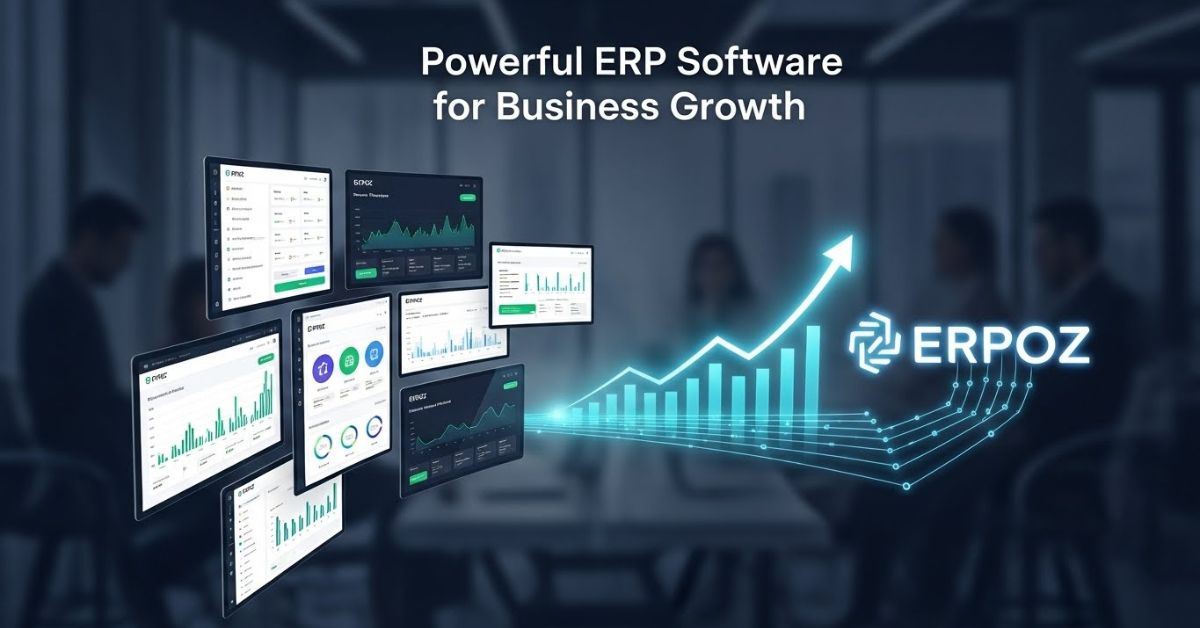
Erpoz: Powerful ERP Software for Business Growth
Picture this: your team juggling multiple software platforms, data scattered across different systems, and hours wasted on tasks that should take minutes. Now imagine a single solution that brings everything together seamlessly. That’s the promise of Erpoz—an enterprise resource planning system designed not just to manage your business operations, but to transform them entirely. In a world where efficiency can make or break competitive advantage, understanding what Erpoz offers becomes more than academic curiosity—it becomes strategic necessity. Whether you’re running a startup finding its footing or steering an established enterprise through growth challenges, this powerful tool deserves your attention.
What is Erpoz actually?
Erpoz is an innovative business management platform that consolidates essential operations into one integrated system. Rather than forcing you to toggle between separate programs for finance, inventory, and customer management, it brings everything under a single digital roof.
Think of it as your business’s central nervous system. Every department connects through this hub, sharing information instantly and eliminating the communication gaps that plague fragmented software ecosystems. The beauty lies in its accessibility—you don’t need a computer science degree to navigate the interface effectively.
What truly distinguishes this solution is adaptability. While some enterprise systems force businesses to conform to rigid structures, this platform bends to fit your unique workflows. Retail operations look different from manufacturing environments, and the software acknowledges that reality through extensive customization options.
Core capabilities include:
- Unified finance and accounting management
- Real-time inventory tracking and forecasting
- Customer relationship tools that enhance engagement
- Cloud-based architecture for anywhere access
- Automated processes that reduce manual errors
The cloud foundation means your team isn’t chained to office desks. Sales representatives on the road, warehouse managers on the floor, executives traveling internationally—everyone accesses the same current data simultaneously, fostering collaboration that transcends physical boundaries.
Key Features of Erpoz Software
A tool is only as valuable as the features it delivers, and Erpoz packs considerable punch in this department. The interface immediately stands out—clean, intuitive, and thoughtfully designed so new users feel comfortable rather than overwhelmed during their first encounter.
Inventory management capabilities run deep. Track stock levels across multiple locations, manage supplier relationships efficiently, and leverage predictive analytics for demand forecasting. No more guessing games about reorder points or discovering stockouts when customers are ready to buy.
| Feature Category | Key Benefits |
|---|---|
| Financial Integration | Seamless connection with accounting systems eliminates duplicate entry |
| Custom Reporting | Generate tailored insights matching specific KPIs and goals |
| Mobile Access | Complete functionality from smartphones and tablets |
| Automation Tools | Routine tasks handled automatically, freeing staff for strategic work |
| Scalability | Grows alongside your business without requiring platform migration |
The reporting engine deserves special mention. Rather than forcing you into predefined report templates, it lets you build custom analytics that answer your specific business questions. Want to know which product categories generate highest margins in Q3? How customer acquisition costs trend across marketing channels? The system surfaces these insights quickly.
Financial integration eliminates one of business software’s most frustrating pain points—double data entry. When sales transactions automatically populate accounting records without manual intervention, both time savings and accuracy improvements compound significantly.
Advantages of Using Erpoz Software for Businesses
The true test of any business tool lies not in feature lists but in tangible advantages it delivers. Erpoz passes this test convincingly across multiple dimensions that matter to bottom lines and daily operations alike.
Cost-effectiveness emerges as a primary benefit. Instead of paying separate subscriptions for inventory software, CRM platforms, accounting tools, and project management systems, businesses consolidate these expenses into one predictable investment. The savings extend beyond licensing fees—reduced IT overhead, simplified training, and streamlined support all contribute to lower total ownership costs.
Decision-making quality improves dramatically when real-time data replaces yesterday’s reports. Market conditions shift rapidly; having current information about inventory levels, customer behaviors, and financial performance means responses can match the pace of change rather than lagging behind it.
Additional strategic advantages:
- Enhanced team collaboration through shared information access
- Reduced operational errors via automation and validation
- Improved customer satisfaction from faster, more accurate service
- Scalability that supports growth without platform switching
- Industry-specific customization ensuring relevance to your sector
The integration capabilities shouldn’t be underestimated. Most businesses already use certain tools they’re unwilling to abandon. Rather than demanding you rip out existing systems, the platform connects with them, creating a cohesive ecosystem from previously disconnected pieces.
Real-Life Business Applications of Erpoz Software
Theory matters less than practice, so examining how real organizations deploy this technology reveals its practical value. Retailers have discovered particular strength in inventory optimization—the system’s ability to track stock across multiple locations while predicting seasonal demand patterns has transformed how they manage purchasing and prevent both stockouts and overstock situations.
Manufacturing environments leverage the production scheduling features heavily. When machinery downtime costs thousands per hour, having real-time visibility into production workflows and potential bottlenecks allows proactive intervention rather than reactive firefighting.
Service businesses appreciate the client relationship management tools. Tracking project timelines, managing deliverables, and maintaining communication histories ensures nothing falls through cracks—a critical advantage in industries where reputation depends on consistent execution.
Restaurants have found unexpected value in the point-of-sale integration combined with employee scheduling. Peak dining hours demand perfect coordination; when the system handles both customer transactions and staff availability, service quality improves noticeably.
Even non-profit organizations benefit significantly. Donation tracking, fund allocation transparency, and comprehensive financial reporting help these entities maintain donor trust while operating efficiently despite typically limited resources.
Comparison with Other ERP Solutions
No software exists in a vacuum, so understanding how this platform stacks against alternatives helps inform decisions. Many traditional ERP systems carry reputations for complexity—implementations measured in months or years, training programs spanning weeks, and consultant fees rivaling the software costs themselves.
This solution takes a different approach. The implementation timeline compresses significantly thanks to intuitive design and streamlined configuration processes. Businesses often achieve basic functionality within weeks rather than quarters, accelerating return on investment considerably.
Price positioning favors small to medium enterprises particularly well. While enterprise-tier competitors aim primarily at Fortune 500 companies with corresponding budgets, this platform delivers robust functionality at price points accessible to businesses still building toward that scale.
The customization philosophy differs markedly too. Some systems offer extensive features out of the box but resist modification. Others provide blank slates requiring substantial development work. This solution strikes middle ground—comprehensive base functionality enhanced through configuration options that don’t demand programming expertise.
Tips for Successful Implementation
Even excellent software can fail through poor implementation, so approaching deployment thoughtfully maximizes success probability. Begin with clarity about objectives—what specific problems should this system solve? Which processes need improvement most urgently? Defining goals upfront prevents scope creep and maintains focus.
Stakeholder engagement matters enormously. When department heads participate in planning rather than receiving dictates, they become advocates who smooth adoption within their teams. Their frontline perspective often reveals practical considerations that theoretical planning might miss.
Implementation best practices:
- Invest adequately in comprehensive user training
- Start with core features before advancing to complex capabilities
- Establish clear success metrics and track them consistently
- Maintain flexibility to adjust approaches as challenges emerge
- Communicate progress and wins regularly to sustain momentum
Monitoring shouldn’t end at go-live. Regular performance assessment against established benchmarks reveals whether the system delivers promised benefits or requires adjustments. This continuous improvement mindset turns implementation from one-time project into ongoing optimization.
Conclusion
The landscape of business management software continues evolving, but certain principles remain constant: efficiency matters, integration beats fragmentation, and tools should serve users rather than the reverse. This platform embodies those principles through thoughtful design, practical features, and accessible implementation.
Organizations facing operational complexity, growth challenges, or competitive pressure increasingly recognize that technology choices carry strategic weight. The right system doesn’t just track what happened yesterday—it illuminates what’s happening now and informs what should happen tomorrow.
As businesses navigate modern market demands, having robust, adaptable, user-friendly tools stops being optional luxury and becomes operational necessity. The question isn’t whether to adopt integrated management platforms, but which one aligns best with specific needs, resources, and ambitions.
FAQS
What industries can benefit from Erpoz Software?
This versatile platform serves diverse sectors including retail, manufacturing, logistics, healthcare, and hospitality effectively. Its adaptability through customization makes it suitable for virtually any business seeking operational efficiency and integrated data management across departments.
Is Erpoz easy to implement?
Yes, most organizations find the implementation process straightforward compared to traditional enterprise systems. The user-friendly interface simplifies employee training at all skill levels, and many businesses achieve basic functionality within weeks rather than the months some competitors require.
How does Erpoz ensure data security?
Security stands as a top priority through multiple protective layers. The platform employs advanced encryption methods for data transmission and storage, implements regular security updates to address emerging threats, and maintains rigorous protocols protecting sensitive business information against unauthorized access.
Can I customize my Erpoz dashboard?
Absolutely—customization represents one of the platform’s key strengths. Users can tailor dashboards to display specific metrics, organize information according to role requirements, and configure interfaces matching individual preferences or departmental needs without requiring technical expertise.
What support options are available after implementation?
Comprehensive customer support continues post-implementation through multiple channels. Businesses access extensive online resources including detailed tutorials and FAQ databases, plus direct assistance via live chat or phone when immediate help becomes necessary for resolving technical issues.