Bjudlunch: Swedish Lunch Tradition Explained
Introduction to Bjudlunch
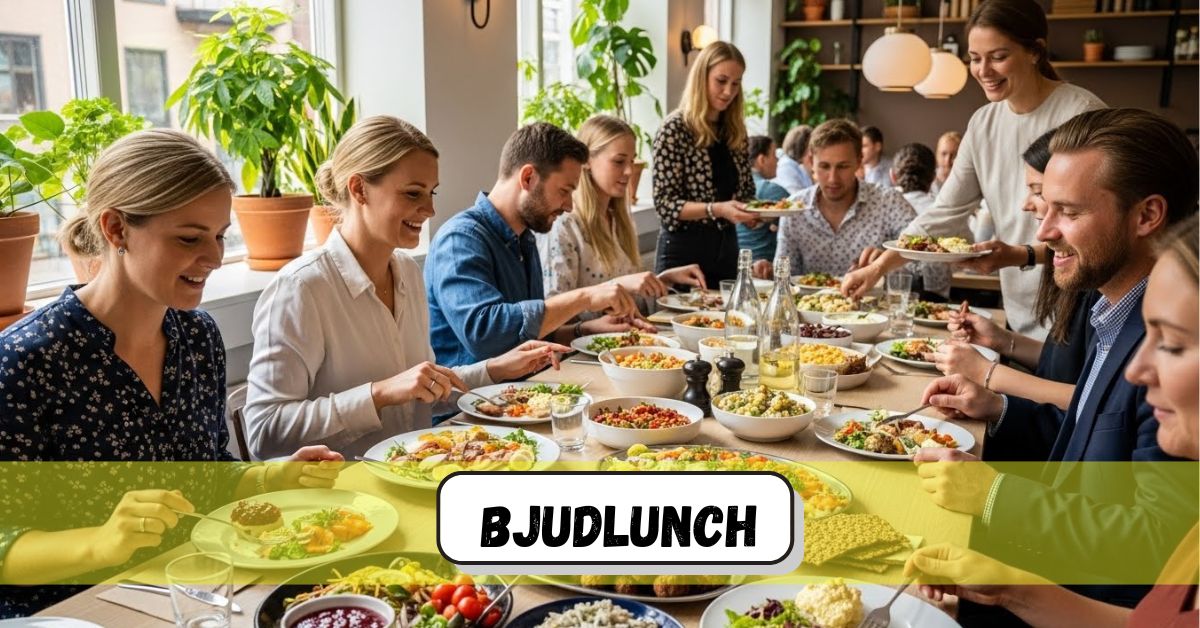
Imagine this: a big table set with colorful dishes, the sound of laughing filling the air, and loved ones coming together to have a hearty dinner and share memories. The beloved Swedish tradition of bjudlunch elevates the humble lunch into a cause for festivity. Unlike other lunchtime meals, bjudlunch is all on welcoming and connecting with others. Not only can you chow down, but you can also practice the fine art of communal dining. Knowing the ins and outs of bjudlunch enhances the experience, whether you’re the host or a guest. Why don’t we explore the unique aspects of this Swedish tradition?
History and Origins of Bjudlunch
Bjudlunch is a part of Sweden’s long history of hospitality and has profound cultural origins. It all started as a way for Swedes to come together and share a meal with their loved ones.
In the past, bjudlunch was frequently associated with holidays and special occasions like birthdays. Hosts may show off their culinary skills while guests got to know each other better.
This method changed as time went on. Over time, what were once casual get-togethers blossomed into multi-course feasts. Creating unforgettable experiences, rather than just sharing food, became the main focus.
Bjudlunch evolved to fit the changing urban landscape of Sweden. Today, it showcases the country’s varied culinary landscape via every dish served, reflecting both traditional flavors and current tastes.
The Importance of Bjudlunch in Swedish Culture
Beyond the simple act of sharing a meal, bjudlunch has a unique significance in Swedish culture. Community, camaraderie, and friendliness are represented by it.
Sweden is a country where life moves at a rapid speed. At Bjudlunch, you can take a moment to relax and chat with your neighbors. Building relationships is more important than eating.
As a group, you’re more likely to laugh and talk when you gather around the table. These breaks from their hectic lives are treasured by Swedes. The simple act of inviting loved ones over helps to cement relationships that could otherwise wither and die.
Furthermore, the Swedish culture of bjudlunch embodies the principles of hospitality and kindness. Bringing handmade food to a party is a great way to show your guests how much you care while also introducing them to new cultures through food.
The communal nature of bjudlunch serves as a reminder that, despite the hectic pace of daily life, the importance of cultivating meaningful relationships can never be underestimated.
How to Host a Bjudlunch
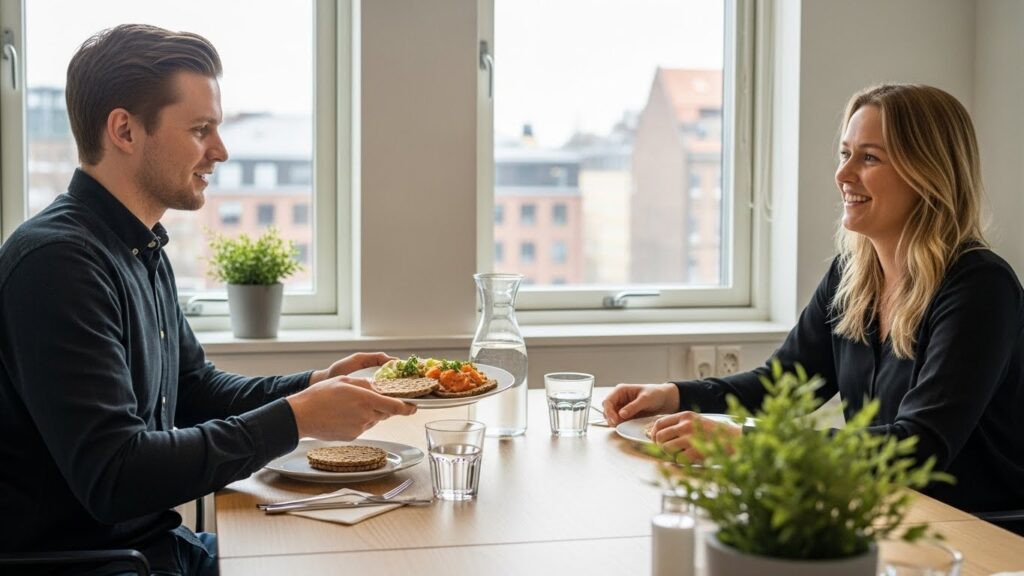
The key to a successful bjudlunch is a welcoming ambiance. The first step is to choose a good day and date, preferably a weekend when friends can relax and have fun.
Use traditional Swedish tableware, such as blue and yellow decorations or floral centerpieces, to set a lovely table. Ask your guests to dress in a way that exudes style while also maintaining an air of authenticity.
Carefully plot out your menu. Present a variety of traditional foods with salads on the side, including herring, meatballs, and gravlax. Dessert, something simple but delicious, is essential.
To make it more enjoyable, you might want to have some Swedish music on in the background. It’s not only about the food; it’s also about the connection—keeping everyone interested and pleased through the meal is all about fostering discussions that flow organically.
Traditional Dishes Served at Bjudlunch
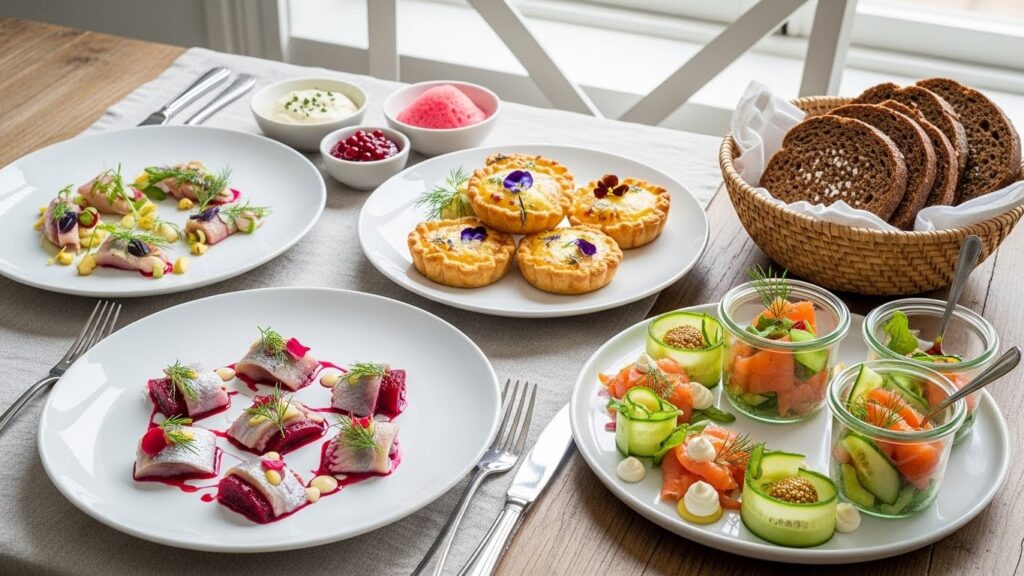
A traditional Swedish lunch, or bjudlunch, is a colorful showcase of Swedish delicacies. Traditional herring, sometimes marinated in spices like mustard or onion, is one example of a staple food. Its sour flavor goes well with crunchy bread.
Köttbullar, or meatballs, are another popular dish, especially when accompanied with lingonberry sauce and a rich gravy. Cozy home cooking and camaraderie are encapsulated in this dish.
Creamy potato casserole covered with onions and anchovies—Jansson frestelse—is a dish that must not be forgotten. It captures the robust flavors of Scandinavia in a way that is both balanced and rich.
For individuals in need of a lighter option, chilled salmon adorned with dill provides a delightful contrast to heartier foods.
After the main course is complete, desserts like kanelbullar (cinnamon buns) are on the menu. The joy and connection to tradition that each bite brings to the table is contagious.
Modern Twists on Bjudlunch
The beloved custom of bjudlunch is being revitalized through contemporary adaptations. Both professional and amateur cooks nowadays aren’t afraid to try new things in the kitchen, especially when it comes to appearance and flavor.
Take a dish that combines classic Swedish meatballs with Asian-style bao buns as an example. The fusion of civilizations brings a fresh perspective that pays homage to the flavors of both cuisines.
Another trend that has grown in popularity is vegetarian choices. The addition of roasted veggies and plant-based proteins to dishes makes them more appetizing and suitable for a wider range of diets.
Panna cotta with cardamom and berry compote is only one example of how desserts have evolved. In addition to bringing in new fans who are looking for a modern spin on an old favorite, these updated versions keep the bjudlunch spirit alive.
The chance to reimagine bjudlunch in the modern era is growing in tandem with the proliferation of innovative culinary practices.
Incorporating Bjudlunch into Your Own Culture
It might be a wonderful journey to include bjudlunch into your own culture. In the spirit of hospitality that characterizes this Swedish tradition, begin by inviting loved ones to a luncheon gathering.
To cater to local preferences, you might want to modify certain classic dishes. Serve meatballs seasoned with local spices or seasonal veggies as an example of a side dish. An interesting flavor profile can be achieved by combining these ingredients.
To get people talking to each other, host a lunch buffet. Let visitors try a variety of meals at their own pace, as is customary in Sweden.
Decorate with themed items or play music that reflects the two cultures to make it more unique. In addition to honoring diversity, this will ensure that the event is one to remember.
Ask everyone to bring their go-to food as well! Your bjudlunch will be much more memorable if you share your distinctive dishes with others, since doing so encourages bonding and highlights various backgrounds.
Conclusion
The Swedish custom of bjudlunch goes beyond being a simple meal; it captures the essence of Swedish hospitality and community. A important event for hosts and visitors alike, its long history reflects cultural values and social connections.
Anyone, in Sweden or anywhere else in the globe, can benefit from learning how to host their own bjudlunch and spending quality time with loved ones over tasty cuisine. In the kitchen, we may express our creativity while still paying homage to this ancient heritage by taking classic meals and giving them new twists.
Sharing a meal together can bring people together regardless of their cultural background, as you’ll discover when you look for ways to bring bjudlunch into your own meetings. This one-of-a-kind custom is a call to gather with loved ones to enjoy delicious food and friendly conversation in honor of the season.
The spirit of bjudlunch can elevate any dinner party, whether it’s a black-tie affair or a casual get-together. The point of bjudlunch is to spend time together over a shared meal, so gather around the table, tell tales, taste foods, and relax.
Read More : Trucofax Explained: Meaning, Use & Popularity