
Kouskousi: Meaning & Origins (2026 Guide)
Introduction
Kouskousi is an exquisite gastronomic adventure that takes you on a pleasant voyage across time and space. Though it has its roots in North Africa, this delicious and adaptable cuisine has won over palates all around the world. Thanks to its light texture and flavor-absorbing properties, it opens up a world of options in both classic and contemporary cooking.
The rich history of kouskousi is intricately linked with regional traditions, which you will uncover as you delve into its universe. The stories told by the many dishes, from colourful salads to hearty stews, know no boundaries. Come explore the history and definition of kouskousi with us, and find out why this popular grain is a must-have in modern cooking!
The History and Origins of Kouskousi
A dish with hundreds of years of history, kouskousi is most often associated with North African cooking. It is thought that the Berber people of Morocco and Algeria are the ones who originally created the dish.
The original recipe called for steaming durum wheat semolina while a stew was cooking. In addition to cooking the grain, this process lets it soak up flavourful sauces.
A lot of people started eating kouskousi as trade lines went across different regions. Many other cultures, not only those in the Mediterranean, began to rely on it.
Distinct regional variants show the rich culinary history of the areas that made adjustments to the meal based on local ingredients and preferences. It is still a symbol of our common cultural heritage and a source of comfort for many today.
Regional Variations of Kouskousi
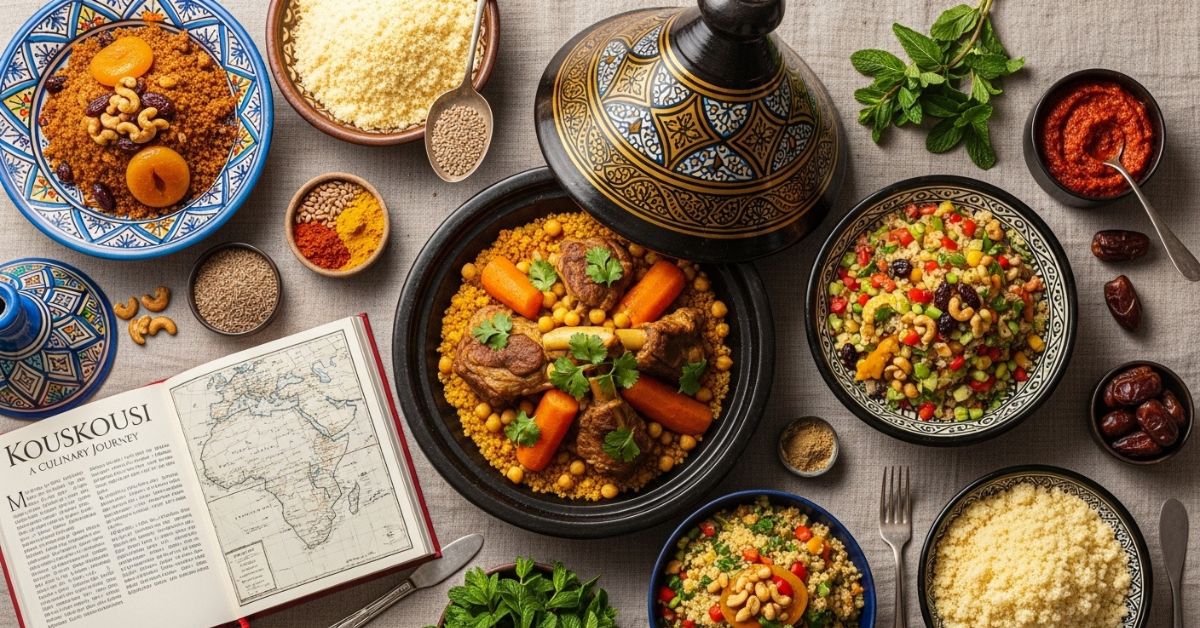
Kouskousi, a delicious delicacy, differs greatly from one place to another. Rich stews cooked with lamb, poultry, and a variety of vegetables are a common ingredient in kouskousi in North Africa, especially Morocco. If aromatic spices like saffron or cumin are included, the dish can have a very fragrant aroma.
A heartier variation, distinguished by the inclusion of spicy harissa sauce, can be found in Algeria, which is located to the east. This gives it a spicy kick that goes well with the delicate grains.
By adding seafood, it takes on even more distinctive forms in Tunisia. This classic dish gets a seafood upgrade because to the abundance of fresh seafood in the country’s coastal areas.
One constant among these variants is the incorporation of regional flavours and ingredients into kouskousi. Because of its versatility, it becomes more than just a dinner; it becomes a platform for culinary artistry in every home it visits.
You May Like : Onnilaina: Complete Guide, Features & Real Insights
Traditional Ingredients Used in it
Kouskousi is a delicious traditional North African dish that showcases the diverse cultural influences of its ingredients. The main attraction is semolina wheat, which is responsible for the distinctive texture of kouskousi. This delicate grain is a master flavour absorber.
Broth, typically prepared with chicken or lamb, is another necessary ingredient. Every bite becomes more flavourful and juicy as it adds moisture. Commonly added vegetables that are both colourful and nutritious are carrots, zucchini, and chickpeas.
Also, the spices are quite important in this meal. The aromatic warmth of cinnamon, coriander, and cumin enhances the flavour of kouskousi.
Garnish with some herbs, such cilantro or parsley. They infuse the finished product with new life and elevate the whole thing with their lively flavour. Rather than being merely a dish, kouskousi is an ode to culture and history, with each ingredient playing an important role.
How to Prepare and Serve Kouskousi
You will have a wonderful time in the kitchen making kouskousi. The star of this recipe, high-quality semolina, should be your first ingredient. Lightly steam it till it becomes fluffy.
If you want to add some flavour when steaming, try adding some cumin or coriander to the water. Its flavour is greatly enhanced by this. When it’s done, give it a little fluffing with a fork to get that ideal texture.
Serving it is a form of art. It is typically served on a sizable platter with other dishes that feature meats or vegetables simmered in flavourful sauces.
Fresh herbs, such as cilantro or parsley, can be used as a garnish to elevate the dish to the next level.
To bring out its full richness and flavour, try it with yoghurt or tart sauces.
Think outside the box! Since it goes well with a variety of foods, it may be used for any kind of dinner.
Popular Dishes and Recipes
Its versatile flavour and textural contributions make it a standout in many recipes. Kouskousi with lamb is a traditional dish. A filling supper of tender lamb cooked with fragrant spices is the ideal accompaniment to light kouskousi.
Another choice that is enjoyed by many is vegetable kouskousi. The dish’s vibrant colour is enhanced by seasonal veggies cooked in broth. Make this vegetarian pleasure your own by adding whatever fresh ingredients you choose.
Another option is the light and refreshing Kouskousi Salad, which is made with cooked grains, fresh herbs, cherry tomatoes, and a tangy dressing.
Kouskousi Pudding with cinnamon and honey is a delicious dessert option for people who want something sweet. A wonderful surprise is the surprising creamy texture.
As it celebrates its cultural background with a variety of flavours and ingredients, each recipe showcases the diversity of kouskousi.
Health Benefits of Kouskousi
Kouskousi has many health benefits in addition to being a tasty dish. The fiber-rich semolina is the main ingredient in this traditional dish. A healthy gut and better digestion are both supported by fibre.
It’s a great way to get your energy fix because it’s rich in carbs and low in fat. Kouskousi is a great option for people who want to keep their weight or perhaps lose weight faster.
In addition to its many uses, this grain is a good source of iron, magnesium, and B vitamins, among other vital nutrients. By bolstering metabolic processes and improving immunological function, these nutrients add to general health.
On top of that, kouskousi is versatile enough to incorporate a wide variety of veggies and proteins. Because of this adaptability, dietary diversity is possible without sacrificing the stimulating and flavourful aspects of meals. Adding kouskousi to your diet has many health benefits and doesn’t compromise on flavour or texture in the least.
Cultural Significance
Kouskousi is an intricate part of the cultural heritage of many North African countries. More than just food, it is the focal point of many celebrations and family get-togethers.
A gesture of hospitality and friendliness in many communities is the practice of sharing kouskousi. Everyone pitches in to make this dish, which brings the family closer together. Preserving culinary traditions, the process of hand-rolling grains continues through generations.
Local farming practices are also reflected in this main meal. Distinct regional identities and biodiversity are on display in the variations that arise from the use of seasonal foods.
It also takes on metaphorical meaning during celebrations or life transitions. An essential component of ceremonies commemorating life’s landmarks, it stands for plenty and success.
By preparing and enjoying it, it pays homage to ancestral roots within contemporary culture and creates links between the past and present.
Modern Twists
Kouskousi is no longer limited to its original origins. Everyone from professional chefs to amateurs in the kitchen is trying out different flavours and methods.
Envision your kouskousi with fusion ingredients like sour kimchi or fiery sriracha. The dish’s conventional aspect can be beautifully contrasted with these daring additions.
Vegan and vegetarian options have also become more popular. You can enjoy the richness of roasted veggies, nuts, and plant-based meats without sacrificing your health-conscious values.
Dessert varieties of kouskousi are also possible; these often include dried fruits with sweet spices such as cinnamon or cardamom.
One great thing about contemporary takes on old recipes is how they may satisfy a wide range of tastes without sacrificing authenticity. The ever-changing world of kouskousi never ceases to amaze and thrill diners, whether it’s with its use of fresh, modern ingredients or its unconventional presentation approaches.
Conclusion
The history, tradition, and culinary skill of Kouskousi are interwoven into the dish’s very fabric. The varied cultures that have loved this delicious dish are reflected in its complex history, which spans both time and space. Despite many changes, kouskousi has remained true to its origins and has evolved from its earliest days.
There is always a fresh twist to kouskousi to try, thanks to the wide range of regional variations and ingredients that give each rendition its own distinct flavour. Whether you like it in traditional dishes or in modern recipes with creative twists, kouskousi has many cultural and health benefits.
The pleasure of sharing kouskousi and other meals like it knows no boundaries as the world’s cuisines grow more interdependent. From sensory-rich preparation techniques to family gatherings honouring shared ancestry, this cherished staple encourages everyone to delve into its depths.
Delving into the realm of kouskousi allows one to not only enjoy delicious meals but also to understand and value the stories that go along with them. So, why not make this delicious meal at home? Embrace the unique path that each grain presents!
Read More : What Is Gelboodu? Complete 2026 Overview